October 12, 2026
What Defines High Quality Marijuana? A Connoisseur's Guide to AAA Cannabis Flower
By @highqualitymarijuanaguide
Beyond the Hype: What Separates Top-Tier from Mid-Grade
Walking into a dispensary or browsing an online dispensary like Kush Station can feel overwhelming. Shelves are lined with jars boasting flashy names and bold THC percentages, but numbers alone don't tell you much about the actual experience. After years of sampling flower from dozens of growers across Canada, I have learned that high quality marijuana is about more than a single lab result. It is a combination of careful genetics, precise growing conditions, and patient handling from harvest to your grinder.
When I first started buying cannabis, I chased the highest THC percentage I could find. I figured that was the only measure of potency or value. That thinking led to some dry, harsh smokes that left me coughing more than relaxing. Over time I realized that the best flower feels balanced, tastes clean, and burns smoothly. That shift in perspective came when I started paying attention to the whole picture: terpene profile, nug size, curing process, and how the plant was actually grown.
What follows is a breakdown of the qualities that define high quality marijuana today, drawn from my own trial and error as well as conversations with growers and lab techs who test this stuff every day. This isn't theory. It is what I look for when I want something that will actually deliver a memorable session.
Genetics and Strain Selection
Every great flower starts with strong genetics. A plant bred from unstable or poorly selected parents will never reach its full potential, no matter how carefully it is grown. Reputable producers invest in verified parent stock and often run their own breeding programs to stabilize traits like disease resistance, cannabinoid content, and unique flavor notes.
When evaluating a strain, I look for clarity on whether it is an indica, sativa, or hybrid cannabis. Indica strains tend to produce relaxing, body-heavy effects, while sativa strains lean more toward an uplifting, cerebral experience. Hybrid cannabis offers a middle ground. But within each category, the actual expression of those effects varies widely depending on the specific chemotype and how the plant was handled after harvest.
For example, a well-grown indica like Purple Kush should have a dense, resin-coated bud structure and a smell profile dominated by grape and earthy undertones. A sativa like Green Crack, on the other hand, should be airier in structure and carry bright citrus notes. If a strain that is supposed to be a pure sativa feels heavy and sedating, or a known indica feels too stimulating, that is a red flag. It could mean the genetics are off, or the plant was harvested too early or too late.
Lab Testing and Transparency
One of the biggest shifts in the legal market has been the move toward routine lab testing. A reputable online dispensary will provide access to certificates of analysis for their products. These documents show the exact cannabinoid content, including not just THC but also CBD, CBG, and other minor cannabinoids. They also confirm that the flower is free from contaminants like mold, pesticides, or heavy metals.
I always check the lab test before spending money on a new batch. Not all tests are created equal, though. Some labs only measure a handful of cannabinoids, while others test for a full panel. The more detailed the report, the more confidence I have in the product. Lab testing also verifies the THC percentage, which can be useful, but keep in mind that a high number doesn't always correlate with a better smoke. A strain testing at 22 percent with a rich terpene profile can be far more enjoyable than one at 30 percent that tastes like hay.
Visual Inspection: The Nug Size and Structure
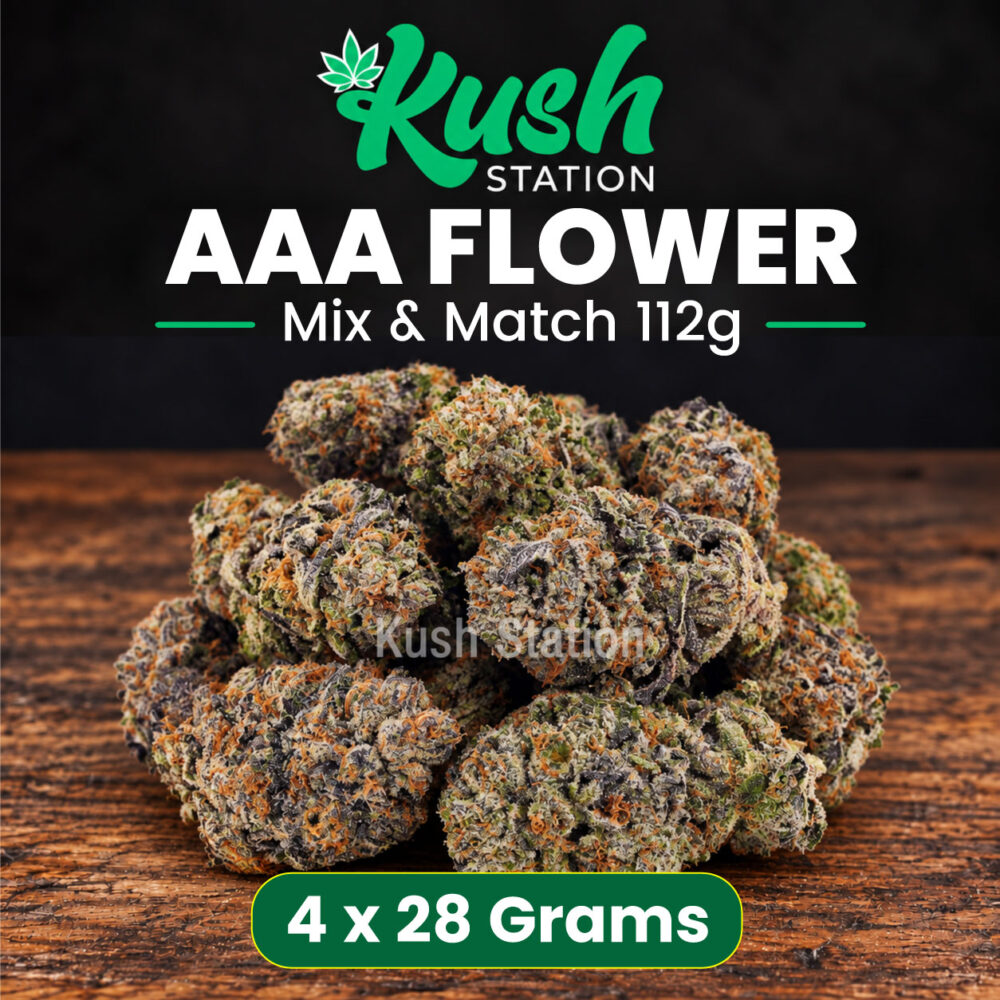
When I open a jar of AAA cannabis flower, the first thing I notice is the nug size. Large, intact buds that haven't been broken up or shaken apart during handling indicate careful harvesting and packaging. Small, dusty pieces or lots of shake suggest rough treatment or old stock.
Look for a tight, well-formed structure with visible trichomes covering the surface. Trichomes are the tiny, crystal-like glands that produce cannabinoids and terpenes. They should appear milky white or slightly amber, not clear. Clear trichomes mean the plant was harvested too early, which leads to a less complex effect. Overly amber trichomes indicate that the plant was left past its peak, and the resulting flower can feel sedating and heavy in a less pleasant way.
Color is another clue. Premium flower often shows a mix of deep greens, purples, and orange pistils, but the exact palette depends on the strain. Some of the best flower I have seen is a uniform light green with bright orange hairs and a thick frost of trichomes. If the flower looks brown, yellowed, or faded, it likely sat around too long before being packaged.
The Curing Process and Freshness Guarantee
Harvest is only half the story. The curing process is where the magic really happens. Freshly harvested cannabis is full of chlorophyll and moisture that make it harsh to smoke. Over several weeks of controlled drying and curing, those chlorophyll compounds break down, sugars convert, and the terpene profile becomes more pronounced. A proper cure also reduces the moisture content to an optimal level, usually around 10 to 12 percent, which ensures a smooth burn without being too dry.
I have smoked flower that was rushed to market in under two weeks from harvest. It was harsh, tasted green, and left a lot of black ash. In contrast, flower that has been cured for at least four to six weeks, sometimes longer, burns white or light grey and delivers the full range of flavor notes that the strain is known for. A good freshness guarantee from the seller is a sign that they stand behind their product and have managed their inventory well.
When you receive a package, the flower should give slightly when squeezed, not crumble into dust. If it is too dry, the terpenes have likely degraded, and the smoke will be harsh. If it is too moist, you risk mold or a poor burn. A well-cured bud feels springy and slightly tacky to the touch.
Smell Profile and Flavor Notes
Smell is arguably the most direct indicator of quality. A fresh, high quality marijuana should have a strong, distinct aroma that fills the room when you open the container. The smell profile can range from citrus and pine to diesel, chocolate, or berries, but it should always be pronounced and complex. Faint or one-dimensional smells suggest that the terpenes have degraded, either from age or improper storage.
I remember opening a bag of Blue Dream from a well-known producer and being hit with a wave of blueberry and cream. That scent carried through the whole smoke, from the dry pull to the final exhale. That is what I look for: a flavor journey that stays interesting from start to finish. Cheap or poorly stored flower often smells like grass, hay, or nothing at all, which is a clear sign to pass.
The Smoke Report: What Happens When You Light It
Ultimately, all the visual and olfactory cues are just predictors. The real test comes in the smoke report. A clean, even burn with white or light grey ash is a good sign. Black, flaky ash indicates that the flower was not properly flushed of nutrients during growth, or it was cured poorly. The flavor on the inhale should match the smell profile, and the exhale should be smooth, not harsh or scratchy.
I also pay attention to how the effects unfold. A well-balanced strain should have a clear onset, with the high building gradually over five to ten minutes. If it hits immediately and then fades quickly, that could mean the flower was high in THC but low in other cannabinoids and terpenes that modulate the experience. A quality smoke should feel full-bodied, with the effects lasting at least an hour or more, depending on your tolerance.
Bundle Deals and Mix and Match: Practical Value
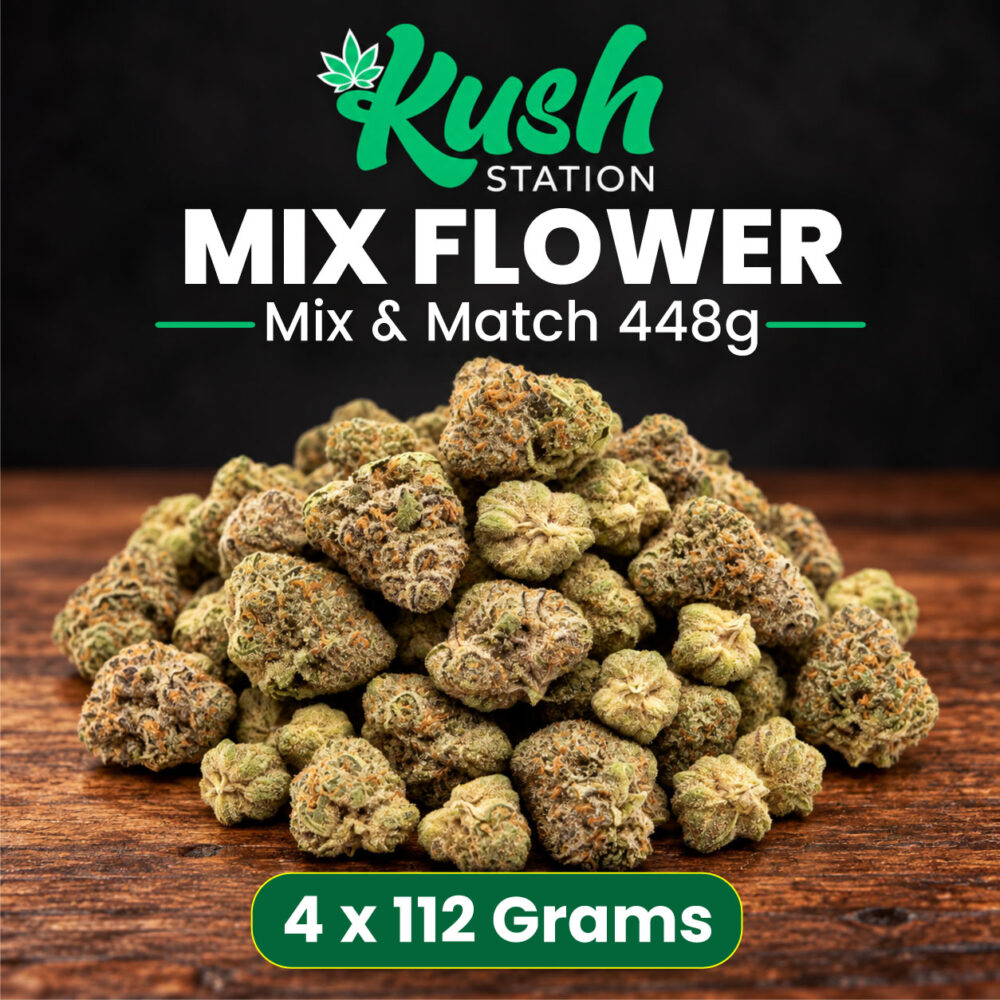
For the cannabis connoisseur who wants variety without committing to a full ounce of one strain, bundle deals are a smart way to explore. Sites like Kush Station offer mix and match options where you can pick several different strains in smaller quantities. This approach lets you sample a range of indica, sativa, and hybrid cannabis without overspending. It also means you can compare terpene profiles and curing quality side by side, which speeds up your personal education.
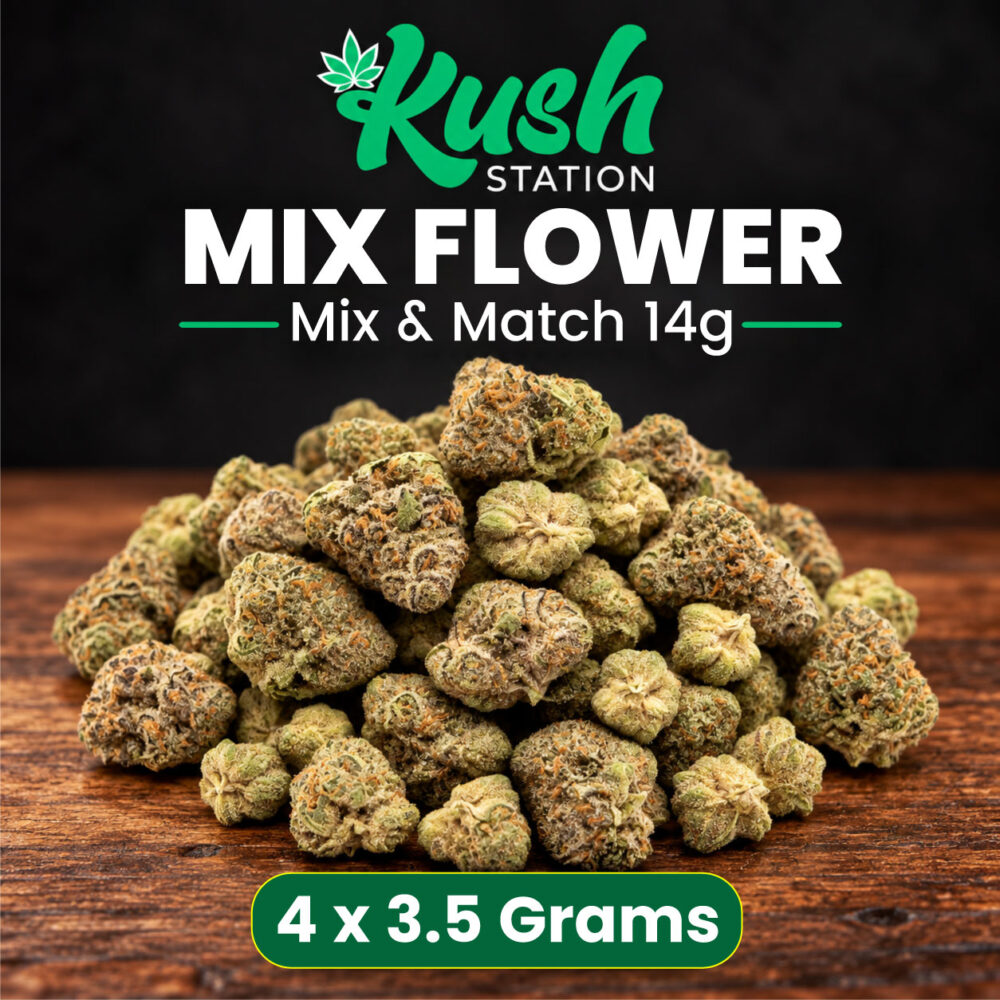
I have found that bundle deals often include some of the best value in the market. You can try a high-THC sativa for daytime use alongside a balanced hybrid for evenings, all within one order. And because the flower is stored in separate bags, the individual smell profiles stay intact. Just be sure to check the nug size across the bundle; sometimes a deal includes smaller buds from the bottom of the harvest, which can still be great but may not have the same visual appeal as the top colas.
Bottom Line
Chasing high quality marijuana means looking beyond the sticker price or the THC number. It means understanding that genetics, growing conditions, lab testing, proper curing, and careful packaging all play a role in what ends up in your bowl. The best flower I have ever smoked came from producers who took their time, tested their products, and stood behind a freshness guarantee. When you find a source that delivers on those fronts consistently, stick with them. And if you are exploring a new online dispensary, start with a small order or a mix and match bundle to test the waters before committing to a larger amount.
Ultimately, the goal is to find flower that delivers a clean, flavorful, and predictable experience every time. That is what separates AAA cannabis flower from the rest. And once you know what to look for, you will never settle for less.
❧